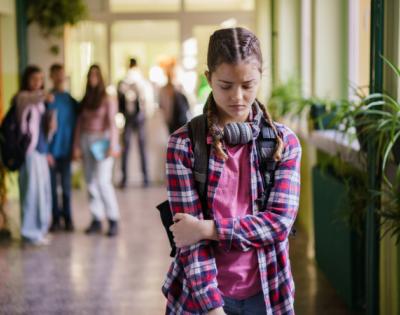
Bullying can take many forms, and as a parent, it can be overwhelming to know how to help your child. Understanding the type of bullying and recognizing the signs is the first step toward supporting your child effectively.
Identify the type of bullying
-
Verbal: Name-calling, threats, or taunting
-
Media-based: Anything on social media platforms like Facebook, TikTok, Instagram, or via email that is threatening or abusive
-
Physical: Hitting, shoving, tripping, or other physical actions
-
Psychological: Public embarrassment, social ridicule, or exclusion
How to know if your child is being bullied
Some signs that your child may be experiencing bullying include changes in behavior or well-being, such as decreased academic performance, avoiding school, withdrawing from friends, increased anxiety about school, or physical complaints like headaches and stomachaches. You might also notice changes in sleep or self-harming behaviors.
What parents can do
-
Listen and validate: Really listen to your child and take their feelings seriously. Avoid blaming and instead seek to understand. Praise them for speaking up.
-
Understand the situation: Find out when, where, and how the bullying is happening. Ask your child to show proof if possible, and keep documentation. Know what steps your child has already taken to address the bullying.
-
Work with the school: Learn the school’s bullying policy and communicate with teachers or principals. Seek professional mental support if needed.
What children can do
Children can protect themselves by staying close to friends, especially in situations where a bully may target them, and by talking openly with someone they trust, such as a parent or teacher. It is important to avoid physical confrontation and not engage the bully, as walking away or ignoring them is usually the safest approach. Having a plan with friends or teachers for how to respond can help children feel more prepared and supported. Without intervention, bullying can have serious consequences. It can lead to mental health challenges such as depression, anxiety, suicidal thoughts, or self-injury. Bullying can also create the potential for violence, either from the child or the bully, and increase the likelihood of engaging in risky behaviors, sometimes in an attempt to make the bullying stop.
When to seek additional support
If bullying is affecting your child’s mental health, daily functioning, or sense of safety, it may be time to involve a mental health professional. Counseling can help children process their experiences, build coping skills, and regain confidence. Early support can make a meaningful difference and prevent long-term emotional impact.