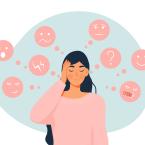
Taking care of your mental health can sometimes feel like a full-time job. We’re told to get enough sleep, exercise regularly, drink more water, practice mindfulness, take our medications, and schedule therapy appointments. Oh my! And while all of these habits are incredibly valuable, there’s one essential piece of mental well-being that often gets overlooked: Our connection to other people.
Why Relationships Matter
Healthy relationships don’t just help us avoid loneliness; they actively improve our mental health. Strong social connections can:
- Help regulate stress and emotions
- Increase resilience during difficult times
- Support longer life expectancy
- Build empathy and deepen our understanding of others’ perspectives
Why Connection Can Be Hard Today
Although we have more technological tools than ever to connect with one another, many people still feel deeply isolated. Social media, texting, and messaging apps can make us feel “in touch,” but they often miss the depth, vulnerability, and mutual presence that real relationships need to grow.
When connection happens mostly through screens, it becomes harder to share and read emotions. We miss facial expressions, tone of voice, body language, and other physical signs that tell us someone is engaged, confused, overwhelmed, or hurting. A short message can easily be misread. Silence can feel like rejection. Even video calls cannot fully replace being in the same room with someone who can notice subtle shifts and respond in real time.
As technology continues to evolve, some people are also turning to AI chatbots for emotional support. This often comes from a very real need to feel heard and understood. While these tools can sound supportive and responsive, they are not human and cannot replace the care, judgment, or accountability of a trusted loved one or a licensed mental health professional.
Connection in Everyday Life

Social connection happens in many forms, from everyday interactions to deeper relationships. It can show up in:
- Your home and family environment
- Friendships and social circles
- Workplace relationships
- Hobbies or interest-based groups
- Community or spiritual spaces
How to Build More Meaningful Connections
If you're feeling stuck or lonely, here are some intentional ways to build community:
- Be proactive. Meaningful connections take time, consistency, and effort. Reach out to others, make plans, and show up.
- Focus on authenticity. You shouldn't have to feel like you're "performing" for other people. Be yourself! Pursue the relationships that feel the most authentic.
- Reflect on your interactions. Take note of which relationships leave you feeling energized and valued.
- Seek out new opportunities. Activities like volunteering, participating in community events, or taking a class are great ways to meet new people.
Connection and Long-Term Health
The impact of social connection goes beyond day-to-day well-being. Research shows that people who are socially connected tend to live longer, healthier lives, while social isolation is linked to increased risks of heart disease, stroke, anxiety, depression, and even premature death. Mental health isn’t just about what you do for yourself, it’s also about how you relate to others. Connection doesn’t have to be complicated. Often, it starts with something small, like reaching out, sharing a moment, or allowing yourself to be a little more open. Taking care of your mental health is important, so remember you don't have to go it alone!