The world can be a turbulent place, with the pressures of work, relationships, family, kids, and other life events constantly weighing on us. But how well do you cope with your feelings? How well do you really know yourself or recognize emotions like stress, sadness, fatigue, or anger? Managing emotions is an essential life skill, but it’s often easier said than done. You never want to let these feelings simmer until they erupt in outbursts, passive-aggressive behavior, or even self-harm. Here are some practical tips to help you better understand and manage your emotions.
Become more aware of your emotions
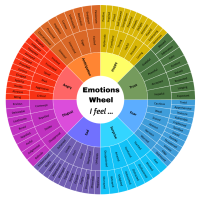
Do regular self-check-ins throughout the day. Ask yourself what you are feeling and why. Notice if your thoughts, behaviors, or environment are contributing to your emotions. If it helps, write your feelings down to better understand and track them. You can also use a feeling list or a feeling wheel, which provides dozens of emotion words to help you pinpoint what you’re experiencing.
Accept your feelings
Allow yourself to experience emotions without judgment. Sadness, anger, or frustration are part of being human. It’s normal to sometimes second-guess your feelings. Put simply, our brains are trying to protect us. We overthink our emotions as a precaution against embarrassment, conflict, or as a way to gain control over discomfort. Accepting your emotions rather than ignoring or overanalyzing them reduces the risk of those feelings spilling out in unintended ways.
Practice mindfulness
Focus on the present moment and observe your experiences without trying to change them. Mindfulness helps you notice emotions as they arise, giving you the chance to respond thoughtfully rather than react impulsively. It can be as simple as going for a walk and noticing the smells and sounds around you, or eating a meal without your phone or other distractions. The quality of your breathing can also tell you a lot about your mental state. If you’re feeling anxious, your breath may be short, shallow, or tight. One simple way to relieve stress is to practice deep breathing by taking long, deep breaths.
Increase emotional regulation
Work on expressing your emotions in healthy ways rather than letting them control your behavior. Journaling, exercising, talking with a friend, or taking a pause before reacting can prevent bottling up feelings, which often leads to outbursts or passive-aggressive actions. Sometimes sharing your feelings out loud with a trusted friend, family member, or mental health professional can make all the difference. Therapy is a safe space to explore your emotions and learn coping strategies that work for you. You don’t have to navigate life alone!
Schedule an Appointment