Affirming Safe Spaces
When I came to The Village for my employment interview, I noticed a symbol near the bathroom door, which reassured me about gender neutrality and safety.
When I greet a new client, I will often introduce myself as “Rachelle, she/her.” This simple introduction invites them to do the same, if or as desired. It creates space for authenticity right from the start.
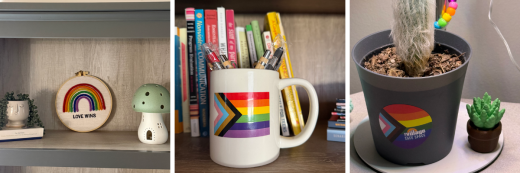
Upon hire, and still today as I look around my colleagues’ offices, I continue to see many signs of safety (see below).
In listening to client services staff on the phone, I notice that no assumptions are made about gender. Whoever phones in, walks in, or rolls in our doors gets to label themselves first.
In digital communication with other service providers, I include my pronouns in my email signature. This helps normalize the process, carries little risk, and contributes to a safer environment for everyone.
Acceptance in Action
The mission of The Village Family Service Center is to enhance the lives of those we serve. We understand that embracing diversity, equity, inclusion, and accessibility strengthens us as individuals and as an organization.
Our core values emphasize compassionate service, accountability, and a diverse environment where communication is open, honest, and respectful. We are proud to be an equal opportunity employer and to provide behavioral health and community services to people of all genders, ethnicities, cultures, sexual orientations, and spiritual practices.
Living the Mission in Practice
As a social worker with almost two decades of experience, I am grateful to be part of this mission of acceptance. The values of The Village align closely with the Social Work Code of Ethics and my personal beliefs about how we view our neighbors and humanity more broadly.
Acceptance in action means listening without judgment, recognizing each person’s identity, and fostering a safe and welcoming space. It reflects what our values call us to do every day.
We create an environment where all people are treated with inclusion, dignity, and respect, regardless of gender identity or sexual orientation. Accepting someone who may feel different from us does not require agreement with every belief, choice, or value. It does require respectful treatment, recognizing shared humanity, and offering unconditional positive regard.
Practicing Acceptance and Affirmation

Here are a few ways we can continue to show up in an accepting and affirming way throughout year:
- Get curious instead of making assumptions. Ask respectful questions and listen to understand experiences.
- Look for shared values such as kindness, growth, family, honesty, and safety.
- Notice your first reactions and check for bias. Use supervision as needed.
- Practice empathy. Consider what may have shaped a person’s perspective. We do not have to agree to understand.
- Use respectful language. Address people as they would like to be addressed, and trust that clients know themselves best.
- Be willing to learn and grow.
These small actions help create a sense of safety and belonging from the very first interaction. To learn more about why this matters, especially for LGBTQ+ mental health and well-being, read The Power of Acceptance blog.
By Rachelle Haga, MSW, LCSW
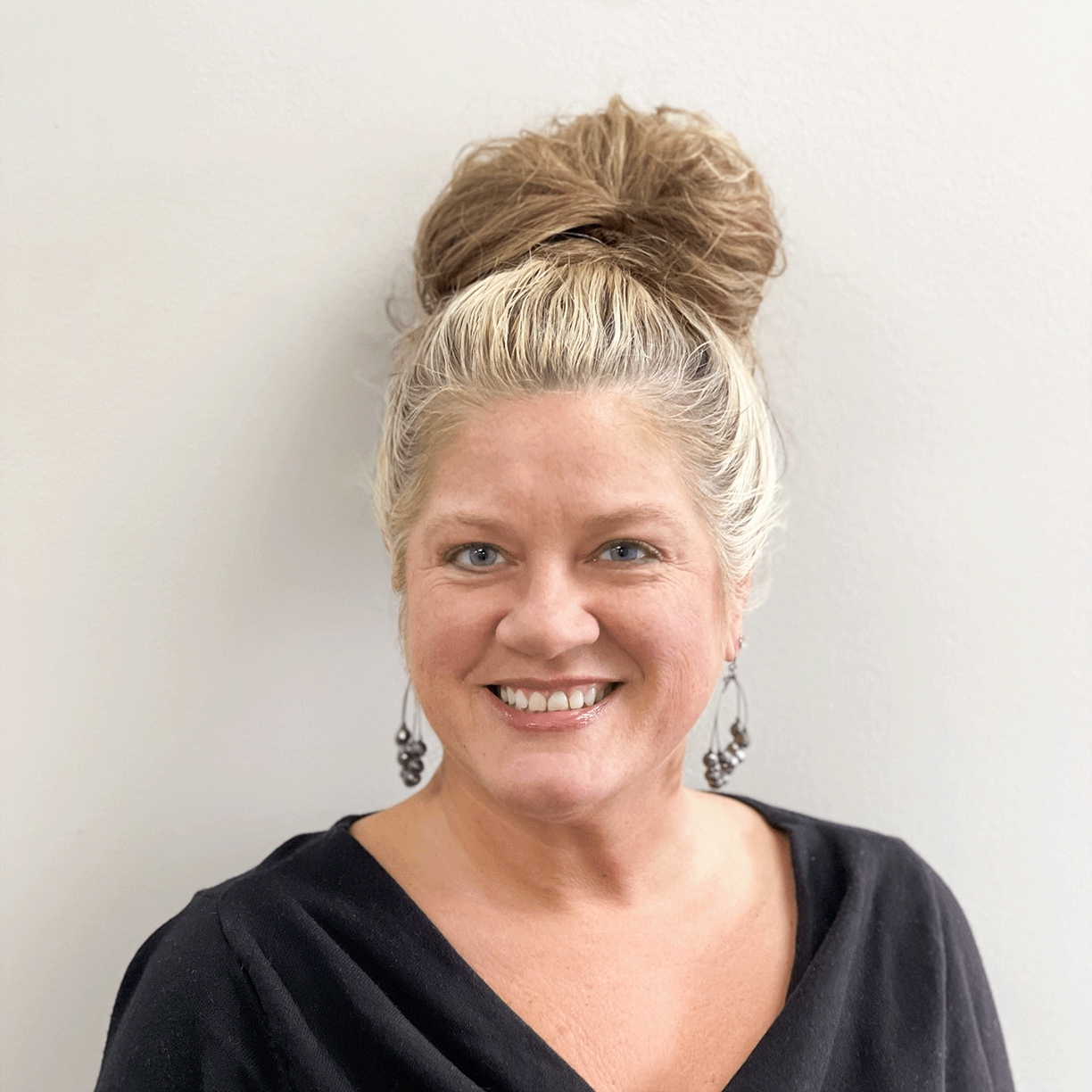
Rachelle is a clinician at The Village's Grand Forks office. Her client-focused approach integrates solution-based therapy with acceptance and commitment therapy. She's also trained in Eye Movement Desensitization and Reprocessing (EMDR).
"Reaching out for support is brave!"
She's honored to partner with individuals and families in their path toward goal attainment and increased wellbeing.
At The Village, I am privileged to be part of a team of providers dedicated to serving LGBTQ+ clients with compassion and expertise. If you or someone you know is seeking support, you can reach us at 1-800-627-8220 to begin your journey with us.
In addition to our services, there are several invaluable resources available for LGBTQ+ individuals facing challenges:
- The Trevor Project: This organization offers 24/7 crisis intervention and suicide prevention services for LGBTQ+ youth through phone, text, and chat. Their support is vital in moments of need.
- Trans Lifeline: A peer support and crisis hotline run by and for trans people, available in the U.S. and Canada. It provides a critical lifeline for the trans community.
- LGBT National Help Center: They offer free and confidential peer-support and local resources through phone, text, and email hotlines for people of all ages within the LGBTQ+ community.
- National Suicide Prevention Lifeline: This service provides free and confidential support for people in distress, along with prevention and crisis resources tailored to everyone, including the LGBTQ+ community.